
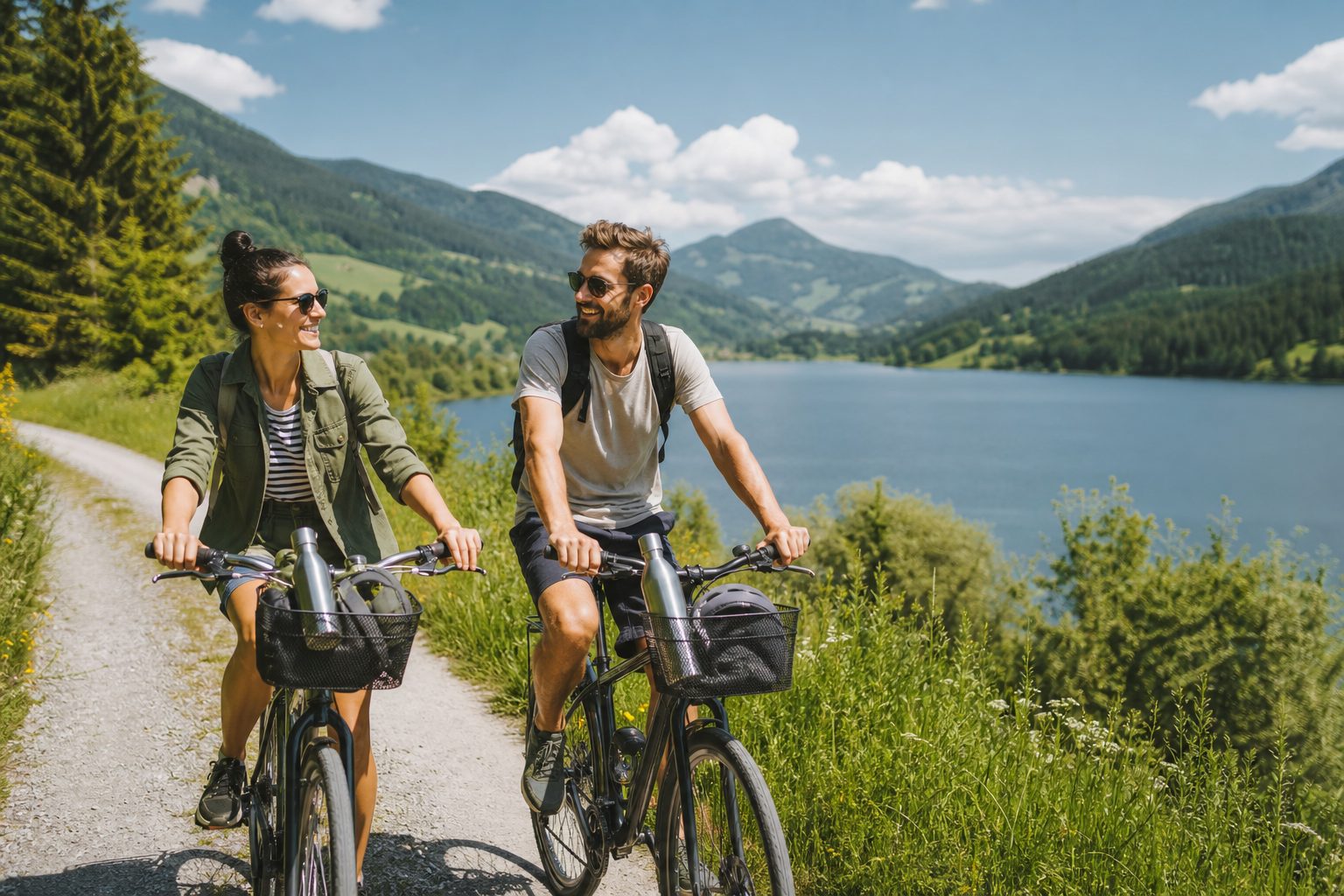
Lighter-footprint travel that isn't preachy
Most advice about "sustainable travel" falls into one of two unhelpful camps: the guilt-trip that tells you to simply stop going anywhere, or the greenwash that sells you a "carbon-neutral" sticker and a clear conscience. Neither is much use to a person who loves to travel and also doesn't want to wreck the places they love. The honest middle ground is more interesting — and more effective. A few choices genuinely matter; many of the popular gestures barely register. Knowing the difference lets you travel lighter without turning every trip into a moral exam.
The goal here isn't perfection or penance. It's a handful of high-impact habits that make your travel kinder to the planet and better for the places you visit — and, conveniently, often richer and more memorable too.
Go less often, stay longer, travel slower
The biggest lever, by far, is the shape of your travel. The environmental cost of a trip is dominated by getting there — especially by air — so the most meaningful change isn't a reusable straw, it's the pattern of your trips. One longer, slower journey almost always has a lighter footprint than several short hops, and it tends to be the better experience anyway: more time to actually know a place, less time in transit, fewer frantic check-ins. "Fewer, deeper" beats "more, shallower" on nearly every measure that matters, the planet included.
What actually moves the needle
- Take fewer, longer trips instead of many short ones.
- Favour overland travel — train and bus — where it's realistic.
- Choose direct routes; take-off and landing burn the most fuel.
- Stay in locally owned places and spend with local businesses.
Use the ground when the ground makes sense
For shorter distances, trains and buses are dramatically lighter than flying — and frequently more pleasant, depositing you in the centre of a city with scenery the whole way instead of a distant airport and a queue. You won't take the train across an ocean, and that's fine; the point isn't purity, it's choosing the lower-impact option when it's genuinely an option. On a continent with good rail, that's surprisingly often. When you do fly, a direct flight beats one with connections, because the energy-hungry parts are the climbs and descents.
Spend your money where it stays
Here's the part that's good for the planet and good for the place: where your money lands. When you stay in locally owned guesthouses, eat at family-run restaurants, hire local guides and buy from local makers, far more of what you spend stays in the community you're visiting — supporting the people and culture that made you want to come. The alternative, where your spending flows straight back out to distant corporations, leaves a place worn by tourism but barely enriched by it. Travelling lighter and travelling more ethically turn out to be the same set of choices.
Respect the place you came to see
A lighter footprint isn't only about carbon — it's about not loving a place to death. Stick to marked trails so you're not trampling fragile ground; never disturb wildlife for a photo; take your litter with you and a bit more besides. Be mindful of water in places where it's scarce. Learn a few words of the language and the basic local etiquette. These small courtesies cost nothing and add up to the difference between a visitor who leaves a place better and one who leaves it frayed. The aim is to be a good guest.
Small habits worth keeping
- Carry a refillable bottle and a fold-up bag; skip single-use where you can.
- Keep to trails and paths; leave wildlife wild and undisturbed.
- Eat seasonally and locally — it's tastier and lighter at once.
- Use less water and energy than you might at home, not more.
- Choose experiences run by and benefiting local communities.
Be honest about the gestures that don't count for much
Some popular green gestures are mostly for our own comfort. A token offset bought at checkout, a hotel's "reuse your towel" card, a single metal straw — these are fine, but they're rounding errors next to how often you fly and how you travel once you're there. The risk is that the small gestures make us feel we've done our bit, and we stop thinking about the big ones. Do the small stuff if you like; just don't mistake it for the main event. The main event is fewer, longer, slower trips, lower-impact transport, and money spent locally.
Lighter travel, no guilt required
- Take fewer, longer, slower trips — it's the single biggest win.
- Use trains and buses where they're a real option; fly direct when you fly.
- Spend with locally owned places so the benefit stays put.
- Tread gently: trails, wildlife, water, litter, etiquette.
- Don't let small gestures distract you from the big choices.
None of this asks you to stop seeing the world. It asks you to see it in a way that lets the next generation see it too — which, happily, is also the way that tends to make for the best trips. Go well, go gently, go often enough to keep falling in love with the place.
You might also like
 Guide
GuideTravel on a real budget without feeling cheap
Slower travel is often cheaper, too.
 Tip
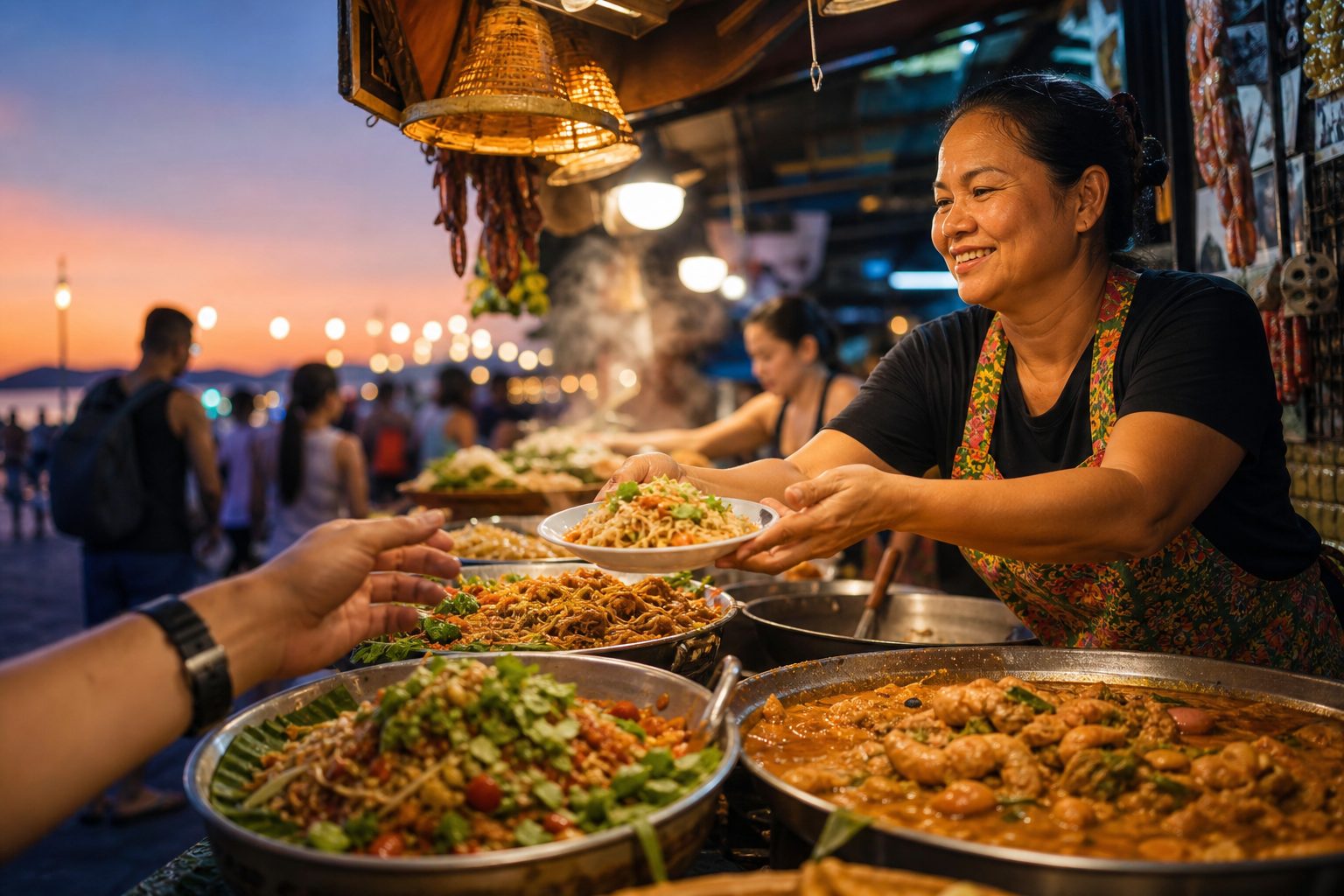
TipFinding the food locals actually eat
Eat local and the benefit stays local.