
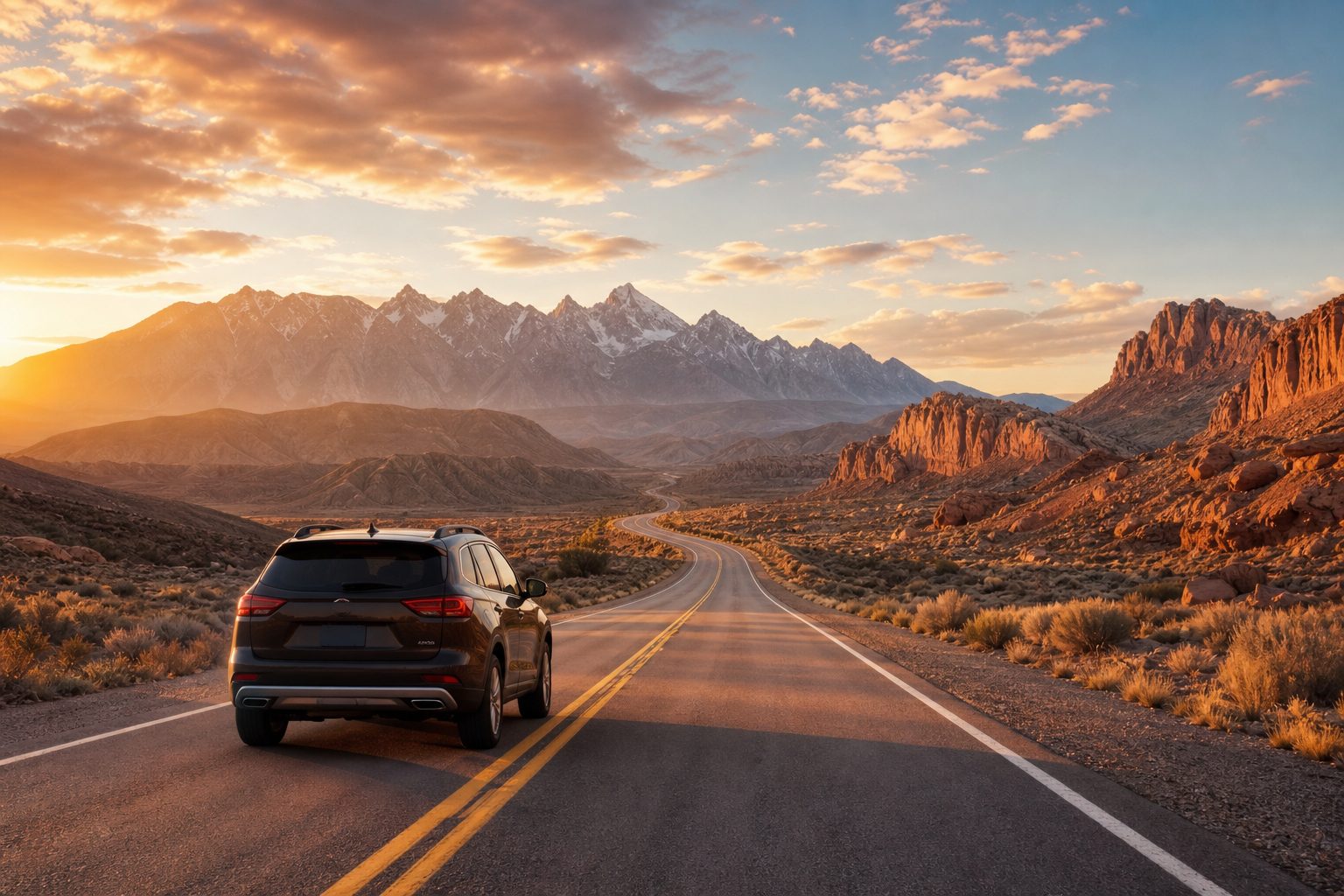
The road-trip playbook: planning a drive worth taking
A road trip is the only kind of travel where the journey genuinely is the destination. There are no gates to make, no platforms to find — just a route, a tank of fuel, and the freedom to stop whenever something out the window says stop. But that freedom has a failure mode: too much of it, badly planned, turns into eight-hour slogs, exhausted drivers, and a back seat full of regret. A great drive is a balance between structure and spontaneity, and getting that balance right is the whole game.
We've driven trips that sang and trips that dragged, and the difference almost never came down to the scenery. It came down to a few unglamorous decisions about distance, timing and rhythm. Here's the playbook.
Design the route as a loop or a line — never a scribble
The first decision is shape. A loop brings you back to where you started, which is perfect if you're flying in and out of one city or returning a rental to its origin. A line (point A to a different point B) covers more ground and avoids retracing your steps, but watch for one-way rental fees and the logistics of getting home from the far end. What you want to avoid is the scribble — the route that doubles back on itself because you planned stops in the order you thought of them rather than the order they sit on the map.
Lay your must-see stops on a map first, then connect them in the most sensible sequence. Let geography write the itinerary. A trip that flows in one direction always feels longer, calmer and richer than one that zig-zags, even if the total mileage is identical.
The daily-distance rule
- Aim for three to four hours of actual driving a day, not six-plus.
- That leaves room for stops, meals, photos and the detours that make the trip.
- Plan one "big drive" day if you must — but never two in a row.
- Arrive somewhere with daylight to spare. Setting up in the dark is nobody's idea of fun.
Underestimate how far you can comfortably go
The most common road-trip mistake is mileage greed. On paper, four hundred miles looks like a morning. In reality, with fuel stops, lunch, a viewpoint you couldn't resist and a town that demanded a wander, it eats the whole day and leaves everyone fried. Cut your ambitious daily distance by a third. You'll see more, not less, because you'll actually stop for the things worth stopping for instead of white-knuckling past them to hit a schedule.
The magic of a road trip lives in the unplanned pull-over — the diner with the hand-painted sign, the overlook that wasn't on any list, the side road that looked interesting. Build your daily distances small enough that you can say yes to those without blowing the day.
Time your drives around light and traffic
When you drive matters as much as how far. Early mornings give you the best light, the emptiest roads and the coolest temperatures; a 7am start can deliver the day's most beautiful hour before most people have finished breakfast. Avoid rolling into or out of big cities at rush hour — schedule those legs for mid-morning or early afternoon. And try to do your scenic stretches in golden light rather than flat noon glare; the same road can be forgettable at midday and unforgettable at six.
Pack the car like a small, mobile home
You're not flying, so the brutal weight limits don't apply — but a cluttered car is its own punishment. The trick is accessibility, not minimalism. Keep a "day bag" within arm's reach with the things you need while moving: water, snacks, chargers, sunglasses, a paper map as backup, wet wipes, a layer. Everything else lives in the boot. A tidy front cabin keeps a long day from descending into a rummaging, irritable mess.
The road-trip kit that earns its space
- Offline maps downloaded before you lose signal — and a paper backup.
- A car phone mount and a charger that actually keeps up.
- A refillable water bottle each, plus real snacks (not just sugar).
- A small first-aid kit, a torch, and the car's spare-tyre tools located before you need them.
- A good playlist or two downloaded, for the dead-signal stretches.
Sort the driving rhythm before you set off
If you're sharing the wheel, agree how you'll swap — every couple of hours, or at fuel stops — and stick to it before anyone's too tired to be reasonable. The passenger isn't off duty: navigating, managing snacks, queuing the next playlist and spotting the next stop is a real job that keeps the driver fresh. Take a proper break every two hours even if nobody's flagging; ten minutes out of the seat resets everyone. Tiredness creeps up quietly on a long drive, and the only safe response is to stop.
Leave the last day light
Plan your final driving day to be the shortest and least demanding, ending well before any flight or deadline. Road trips have a way of running late — one more stop, one more photo — and a buffer at the end turns a potential scramble into a relaxed finish. Coming home tired-but-happy beats coming home frazzled because you cut the last leg too fine.
The playbook, condensed
- Shape the route as a clean loop or line; let the map order your stops.
- Drive three to four hours a day, not six — see more by rushing less.
- Start early for light, empty roads and cooler air.
- Keep a day bag up front; stash the rest in the boot.
- Swap drivers on a schedule, break every two hours, and keep the last day short.
Get the rhythm right and a road trip becomes the most relaxing travel there is — a moving window onto a country, entirely on your own clock. Plan the bones, then let the road fill in the rest.
You might also like
 Guide
GuideHow to plan a trip from a blank page
The system behind every trip we take.
 Tip
TipTravel photos worth keeping
Capture the overlooks you'll pull over for.